
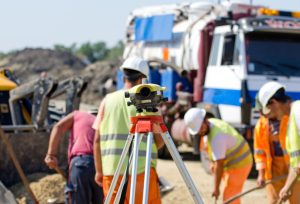
Right-of-way surveys are a critical part of many development and infrastructure projects, yet they are often one of the least understood pieces of the planning process. For municipalities, developers, engineers, and property owners across Vermont and New York, understanding how ROW surveys work can make the difference between a smooth project, and one slowed down by access issues or legal complications.
A right-of-way survey does more than draw lines on a map. It defines how land can be accessed, who has the right to use it, and how development can move forward without conflict.
What a Right-of-Way Survey Actually Does
A right-of-way survey identifies areas of land that are reserved for specific uses such as roads, sidewalks, utilities, drainage, or shared access. These areas may be publicly owned, privately owned with granted rights, or established through long-standing use and recorded agreements.
The survey documents the exact location, width, and legal status of these rights based on deed research, historical records, and precise field measurements. This information becomes the reference point for planning, permitting, and construction decisions.
Without a clear right-of-way survey, it can be difficult to determine where development is allowed and where restrictions apply.
Situations Where ROW Surveys Are Required
Right-of-way surveys are commonly needed whenever a project involves access to a public road or shared infrastructure.
Municipal projects such as road improvements, sidewalk installations, drainage upgrades, and utility extensions rely on ROW surveys to confirm where work can legally occur. These surveys help ensure that public projects stay within authorized boundaries and avoid disputes with adjacent property owners.
Developers often need ROW surveys when planning new entrances, driveways, subdivisions, or commercial sites. Many lenders and permitting agencies require proof of legal access before approving a project.
In rural areas, ROW surveys are especially important where roads cross multiple properties or where access has been established over time without clear documentation. In urban environments, they help manage tight spaces where buildings, utilities, and transportation corridors exist side by side.
How ROW Surveys Influence Site Planning
One of the most important outcomes of a right-of-way survey is confirming whether a property has legal and usable access. Without verified access, development plans may need to be revised or halted entirely.
ROW surveys also guide site layout decisions. Driveway placement, building setbacks, utility routing, and stormwater systems often must be designed around existing right-of-way areas. Understanding these constraints early allows architects and engineers to create efficient designs that meet local requirements.
For infrastructure projects, accurate ROW data supports safer road alignments, better coordination with utilities, and smoother construction schedules. It also protects contractors from working outside approved areas, which can result in fines or delays.
Differences Between Rural and Urban Right-of-Way Surveys
Right-of-way surveys can look very different depending on the setting.
In rural areas, surveyors often encounter older deeds, informal access agreements, and roads that have shifted over time. Records may be incomplete or inconsistent, requiring careful research and reconciliation between historical documents and current conditions.
Urban right-of-way surveys tend to be more complex due to density. Sidewalks, utilities, curb lines, and neighboring structures leave little room for error. Even small inaccuracies can create conflicts or affect neighboring properties.
In both environments, professional surveying ensures that development respects existing rights while supporting long-term land use goals.
Why Municipal and Infrastructure Clients Rely on ROW Surveys
For municipalities and public agencies, right-of-way surveys are essential for responsible planning and risk management.
They help confirm ownership and access before public funds are invested. They support permitting, environmental review, and grant applications. Most importantly, they reduce the likelihood of disputes during construction by clearly defining where work is allowed.
Clear right-of-way documentation also helps municipalities plan future improvements while maintaining transparency with property owners and the public.
The Importance of Working with a Professional Surveyor
Right-of-way surveys require a strong understanding of land records, legal descriptions, zoning regulations, and local standards. They are not simply field measurements but a combination of research, analysis, and precise data collection.
A professional land surveyor evaluates deeds, plats, easements, and historical maps, then ties that information to accurate fieldwork. The result is a defensible survey that supports permitting, design, and construction.
At BLAZE Design Inc., we work closely with municipalities, developers, engineers, and contractors throughout Vermont and New York to provide reliable right-of-way surveys tailored to each project’s needs.
Starting With Clarity Sets Projects Up for Success
Whether you are planning a rural road improvement, developing a commercial site, or upgrading municipal infrastructure, a right-of-way survey provides the clarity needed to move forward with confidence
By identifying access rights and constraints early, you can avoid delays, manage risk, and keep your project aligned with legal and regulatory requirements.
If your project involves shared access, public infrastructure, or complex boundaries, BLAZE Design Inc. is ready to help. Contact us today at 802-442-2892 to discuss your right-of-way surveying needs and keep your project moving in the right direction.